
How to Turn Apparel Tariffs Into a Strategic Advantage
Time to read: 7 minutes
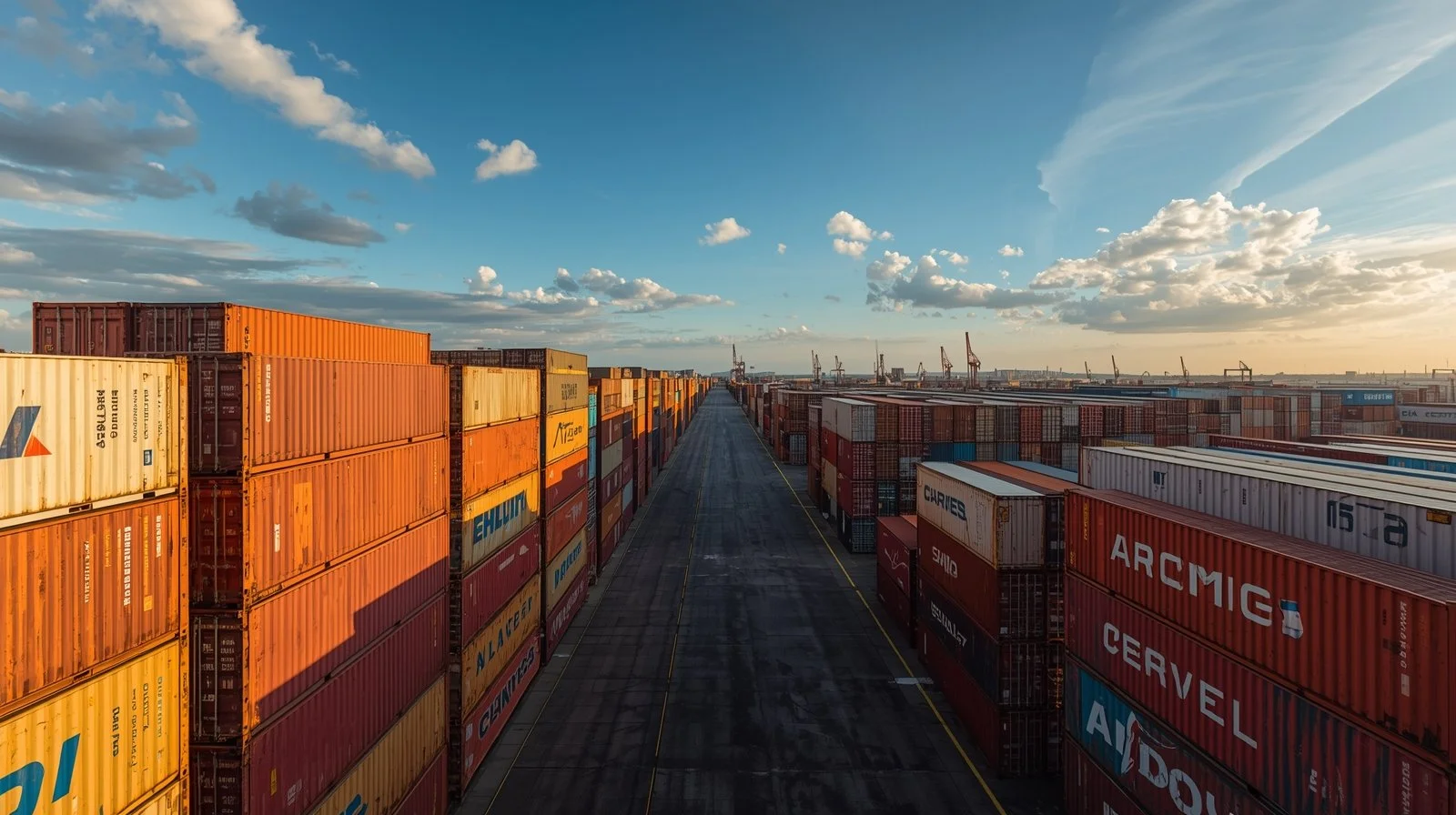
Global apparel trade and tariffs—shipping containers with clothing cargo.
For most fashion brands, tariffs feel like a massive headache: unexpected costs, disrupted supply chains, and instantly thinner profit margins. In an industry where margins are already notoriously tight, a sudden 15% import duty hike can wipe out an entire season's profitability.
But what if tariffs could become more than just a barrier?
While your competitors are scrambling to absorb costs or haphazardly raising prices, you can use global trade hurdles to outmaneuver them. With the right strategy, tariffs can actually give you a competitive edge.
In this article, we’ll show you how to turn trade tariffs into a strategic advantage for your apparel brand. From sourcing smarter to rethinking pricing and product development, you’ll learn how to convert logistical roadblocks into opportunities for growth.
1. Understand the Tariff Landscape
Before you can play offense, you need to understand the rules of the game. Tariffs are essentially import duties applied to goods crossing borders. In fashion, they are highly volatile and influenced by:
Trade Agreements: Treaties like the USMCA (United States-Mexico-Canada Agreement) or CAFTA-DR can allow garments produced in specific regions to enter the US duty-free.
Product Classifications (HTS Codes): The Harmonized Tariff Schedule (HTS) dictates your duty rate based on hyper-specific details like fabric blends, garment types, and even gender categories.
Geopolitical Shifts: Trade wars and political policy shifts can change duty rates virtually overnight.
📌 Pro tip: Build a “tariff map” of your top sourcing countries and product categories. Compare your current factory locations against regions with favorable free-trade agreements to see where hidden costs are eating into your margins.
2. Transform Tariff Costs Into Strategic Levers
A. Smarter Sourcing & "China Plus One"
Relying on a single country for your entire production run is a massive operational risk. Smart brands diversify their sourcing. A supplier in Vietnam, Turkey, or Portugal may provide significant tariff benefits compared to China, depending on your target market. When evaluating new factories, you must forecast the total landed cost (which includes freight, insurance, and tariffs), rather than just looking at the FOB (Free on Board) factory price.
B. Brand Positioning & Perceived Value
Instead of quietly absorbing every extra cost and suffering shrinking margins, consider reframing higher manufacturing costs as part of a premium brand story. If a tariff forces you to move production to Europe or the Americas, lean into it. Marketing phrases like “handcrafted quality,” “nearshored production,” or “exclusive raw materials” can justify a higher retail price point to your customers.
C. Tariff Engineering (Product & Material Adjustments)
This is the fashion industry's best-kept secret. Small tweaks in fabric weight, fiber blend, or trim selection can actually shift a garment into a completely different HTS code with a much lower tariff rate.
For example: Adding a specific water-resistant coating to a woven jacket might change its classification from standard outerwear (which might carry a 27% duty) to rainwear (which might carry a 7% duty). Smart design choices can protect your margins without compromising your aesthetic.
D. Pricing & Margin Strategy
You must decide when to absorb tariff costs and when to pass them on to the consumer. A tiered pricing approach—with tariffs specifically factored into affected markets—prevents across-the-board margin erosion.
Example: How a Tiered Pricing Model Works in Real Life A U.S.-based apparel brand produces a hoodie that normally costs $12 to manufacture, with a target retail price of $60 and a healthy margin. Suddenly, a new 15% tariff is applied to imports from their supplier country, raising the landed cost to $13.80.
Instead of applying a blanket price increase across all global markets, the brand uses a tiered pricing strategy:
United States (High Tariff Market): The brand increases retail pricing from $60 to $65 to absorb the tariff impact and maintain profitability.
Europe (No Tariff Impact): Retail remains at €60 since import costs to the EU are unchanged. This keeps the brand highly competitive in a price-sensitive market.
Wholesale Partners: Instead of raising B2B prices and angering retailers, the brand absorbs 5% of the tariff cost internally to protect their long-term wholesale relationships.
This approach prevents global price inflation, safeguards margins where it counts, and ensures the brand stays competitive in each specific region.
E. Supply Chain Resilience
Consider nearshoring (moving production closer to home, like Mexico or Central America for US brands) to take advantage of zero-duty trade agreements. Additionally, using bonded warehouses or free-trade zones can allow you to import goods and hold them without paying duties until the exact moment they ship out to the final customer, freeing up crucial cash flow.

3. Reduce Risk With Compliance & Trade Tools
Treat compliance as a proactive strategy, not an afterthought:
Leverage Trade Agreements: Audit your supply chain to confirm eligibility for preferential duty treatments or exemptions.
Master "Rules of Origin": Just because a shirt is sewn in Mexico doesn't mean it qualifies for duty-free import; the yarn and fabric often need to originate from the region as well.
Work with Customs Brokers: Ensure your HTS product classifications are 100% accurate so you aren't overpaying at the border.
Explore Duty Drawbacks: If you import a garment into the US, pay the tariff, but then ship that garment to a customer in Canada, you can often get that original tariff fee refunded.
4. Measure, Adapt, Repeat
Tariff strategies are not a one-time fix; they are an ongoing line of defense. Success comes from constant iteration:
Track your landed cost and margin impact meticulously.
Monitor geopolitical news and tariff updates in your sourcing regions.
A/B test pricing strategies across different international markets.
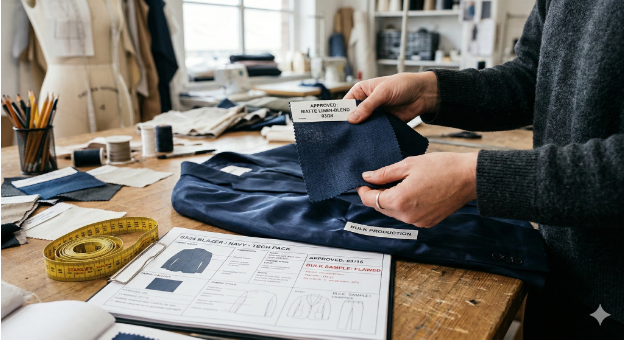
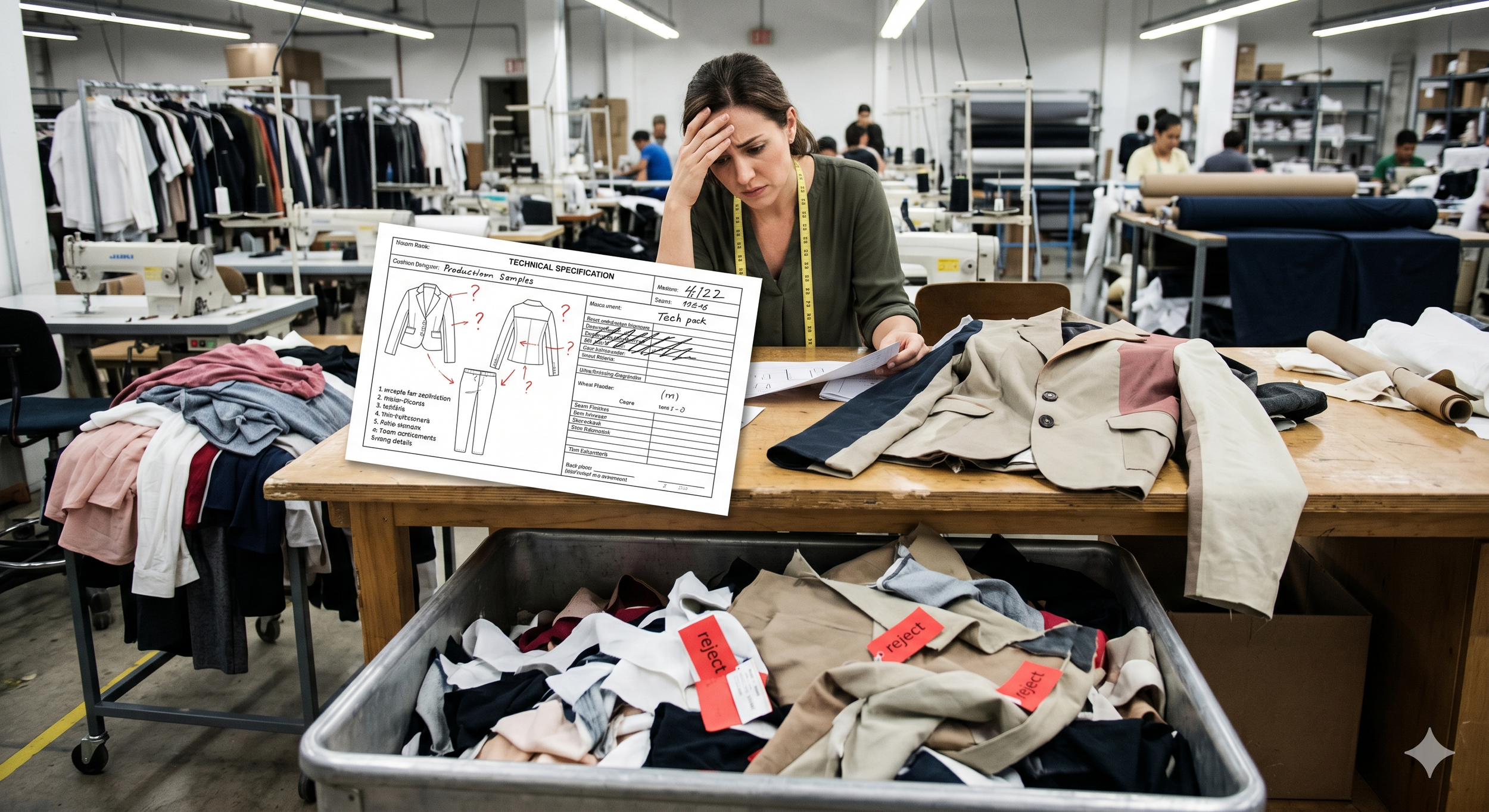
Stay agile by mastering your tech packs. If a sudden 25% tariff hits your primary manufacturing country, you need to be able to move your production to a new factory in a new country immediately. You cannot do that if your technical documentation is sloppy. A bulletproof tech pack allows you to hand off your designs to any factory in the world and get exactly what you asked for, shielding you from geographical supply chain shocks.
Conclusion
Global trade tariffs will never disappear, but they absolutely do not have to be your enemy. You can turn trade tariffs into a strategic advantage for your apparel brand with foresight, flexibility, and the right operational frameworks. By staying agile, your brand will become more resilient, more profitable, and ultimately, produce a better product.
Ready to build a tariff-smart strategy for your fashion brand? Book a consult with our team today.






Author Bio
Tech Packs Co founder Belinda is a technical fashion designer from London, now based in Los Angeles. Belinda had her first job in fashion at the age of 15, fixing swatch cards together. Since then, Belinda has been designing & creating tech packs for more than a decade... for household name brands and independent designers alike.