
Why Your Factory Changed Your Fabric Without Telling You
Time to read: 7 minutes
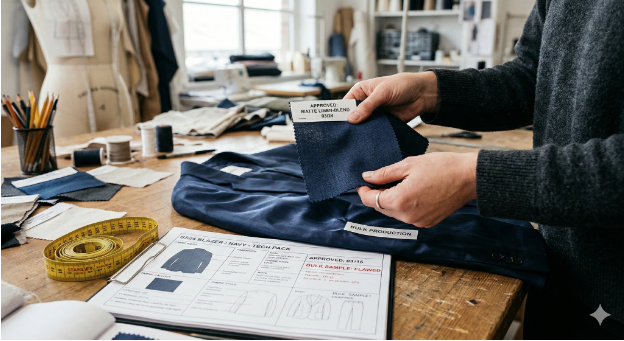
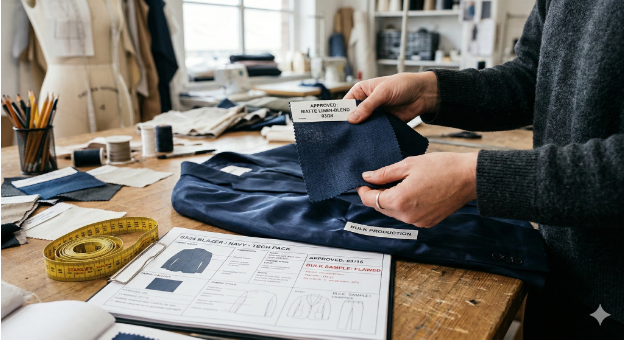
You spent months perfecting the fit and feel of your latest collection. You finally sign off on the pre-production (PP) sample, and the fabric is buttery soft with the perfect drape. Three months later, the freight truck drops off your bulk production. You eagerly open the first box and pull out a hoodie, and your heart sinks.
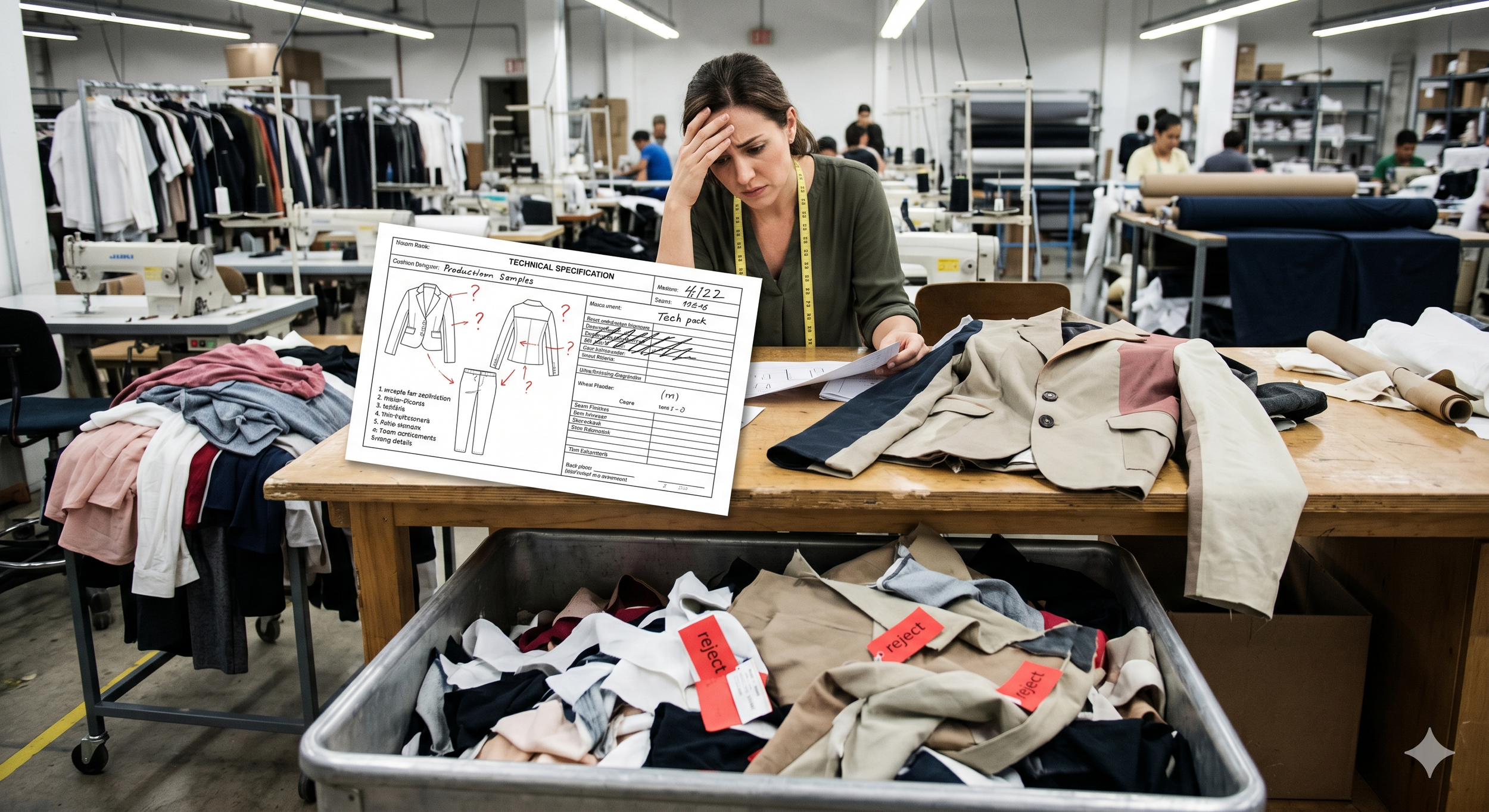
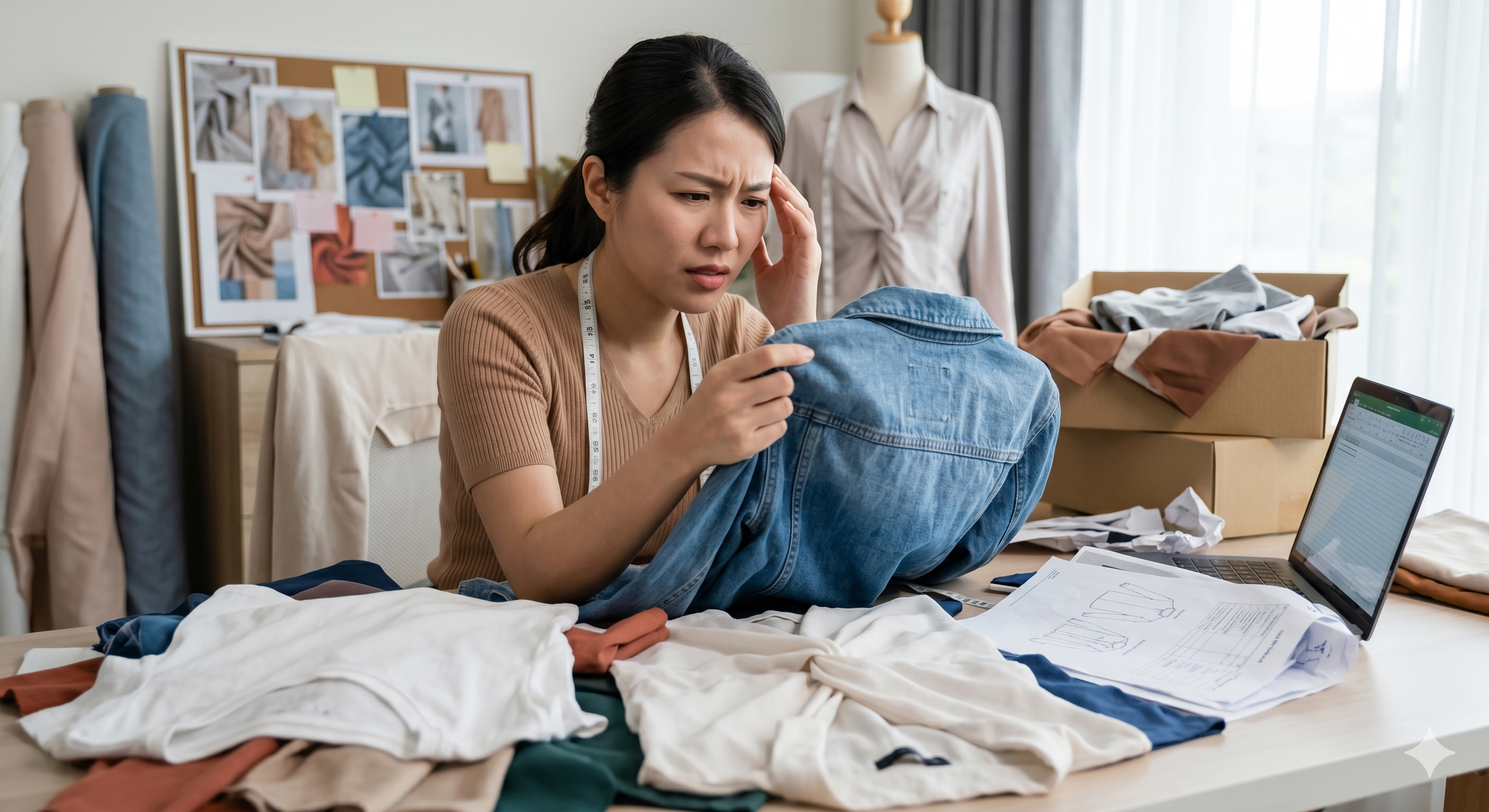
It feels stiff. The weight is off. The drape is entirely wrong. The factory changed your fabric without telling you.
For a fashion founder, this is one of the most infuriating and devastating supply chain disasters. It feels like a massive betrayal of trust, and worse, you now have hundreds of unsellable garments. But before you fire off an angry email or threaten legal action, you need to understand why this happens.
In this article, we’ll uncover the real reasons manufacturers swap fabrics behind your back, why it's not always a malicious "bait-and-switch," and exactly how to bulletproof your tech packs so it never happens to your brand again.
The "Bait and Switch" Myth (Why It Actually Happens)
When a bulk order arrives with the wrong fabric, the immediate assumption is that the factory is trying to rip you off. While shady manufacturers certainly exist, the reality is that 90% of unauthorized fabric changes are the result of miscommunication, vague documentation, or supply chain logistics.
Here is what is likely happening behind the scenes on the factory floor:
1. You Didn’t Meet the Fabric Mill's MOQ
Clothing factories don’t usually weave or knit their own textiles; they purchase them from specialized fabric mills. If you ordered 300 units of a jacket, but the specific custom fabric requires a Minimum Order Quantity (MOQ) of 1,000 yards from the mill, the factory has a problem. Instead of stopping production or asking you to pay for 700 yards of unused fabric, they might quietly source an "in-stock market fabric" from a local wholesale market to keep your order moving.
2. Your Bill of Materials (BOM) Was Too Vague
If your tech pack simply lists the fabric as "100% Cotton French Terry" or "Medium Weight Jersey," you have left the door wide open for interpretation. To a factory manager, any cotton French terry fits that description. If their primary supplier runs out of the exact fabric they used for your sample, they will just grab the next closest thing. From their perspective, they followed your instructions perfectly.
3. Unapproved Cost-Cutting to Protect Margins
Sometimes, it is about the money. Raw material prices fluctuate constantly. If the cost of your specific organic cotton spikes between the time you approved the sample and the time they start cutting the bulk order, a factory operating on razor-thin margins might substitute a fabric that is 10 GSM (grams per square meter) lighter or blend in 5% polyester to save a few cents per yard.
How to Bulletproof Your Sourcing and Stop Unauthorized Swaps
You cannot control global supply chain shortages, but you can control how your brand manages risk. To stop fabric swaps, you have to remove the factory's ability to make sourcing decisions on your behalf.
Lock Down Your BOM: Never list generic fabric names. Your bill of materials must include the exact fiber composition (e.g., 95% organic cotton / 5% spandex), the exact weight (e.g., 320 GSM), the knit/weave structure, and the exact Pantone color code.
Nominate Your Suppliers: Don't let the factory choose the mill. Source the fabric yourself, get the mill's article/reference number, and explicitly state in your tech pack
Require Bulk Fabric Swatch Approval: Add a strict milestone to your production timeline. Before the factory is allowed to cut the fabric for your bulk order, they must mail you a "bulk fabric header" (a small physical swatch cut from the actual rolls they purchased) for your final written approval.
Demand a Pre-Production (PP) Sample: Never let bulk manufacturing commence without first receiving and approving a PP sample. This garment must be sewn using the actual bulk fabric, bulk trims, and final hardware. It serves as your binding physical contract—if the factory swaps materials during mass production, your approved PP sample is your undeniable proof of the bait-and-switch.
Update Your Factory Agreement: Ensure you have a signed manufacturing contract that explicitly states that any unauthorized material substitutions will result in the immediate rejection of the goods at the factory's expense.
Conclusion
Discovering that your factory changed your fabric without your permission is a costly, heartbreaking lesson in supply chain management. But the takeaway shouldn't be that all factories are out to get you. The real lesson is that you must take total ownership of your technical documentation. By locking down your specs, nominating your suppliers, and demanding swatch approvals, you can protect your product quality and build a brand your customers can trust.
Have you ever been burned by a factory swapping your material? It's time to tighten up your development process.
Are vague instructions leaving your brand vulnerable to costly factory mistakes and fabric swaps? Stop playing guessing games with your manufacturer. At Tech Packs Co, we build comprehensive, production-ready tech packs with ironclad Bills of Materials (BOMs) that eliminate the guesswork, protect your quality, and ensure your bulk production matches your sample perfectly. Book a call with our team today to bulletproof your next collection.



Author Bio
Tech Packs Co founder Belinda is a technical fashion designer from London, now based in Los Angeles. Belinda had her first job in fashion at the age of 15, fixing swatch cards together. Since then, Belinda has been designing & creating tech packs for more than a decade... for household name brands and independent designers alike.