
Clothing Brand Startup Costs and Cash Flow Mistakes
Time to read: 6.5 minutes

Starting a clothing brand always costs more than founders expect. The biggest mistake we see? Assuming that “production” is the only expense. In reality, it’s just one part of the puzzle and often not even the biggest one.
Below are the real, hidden, and often forgotten costs that drain new fashion founders before launch, inspired by real numbers commonly discussed in industry interviews, founder postmortems, and apparel startup guides.
1. Sampling Costs
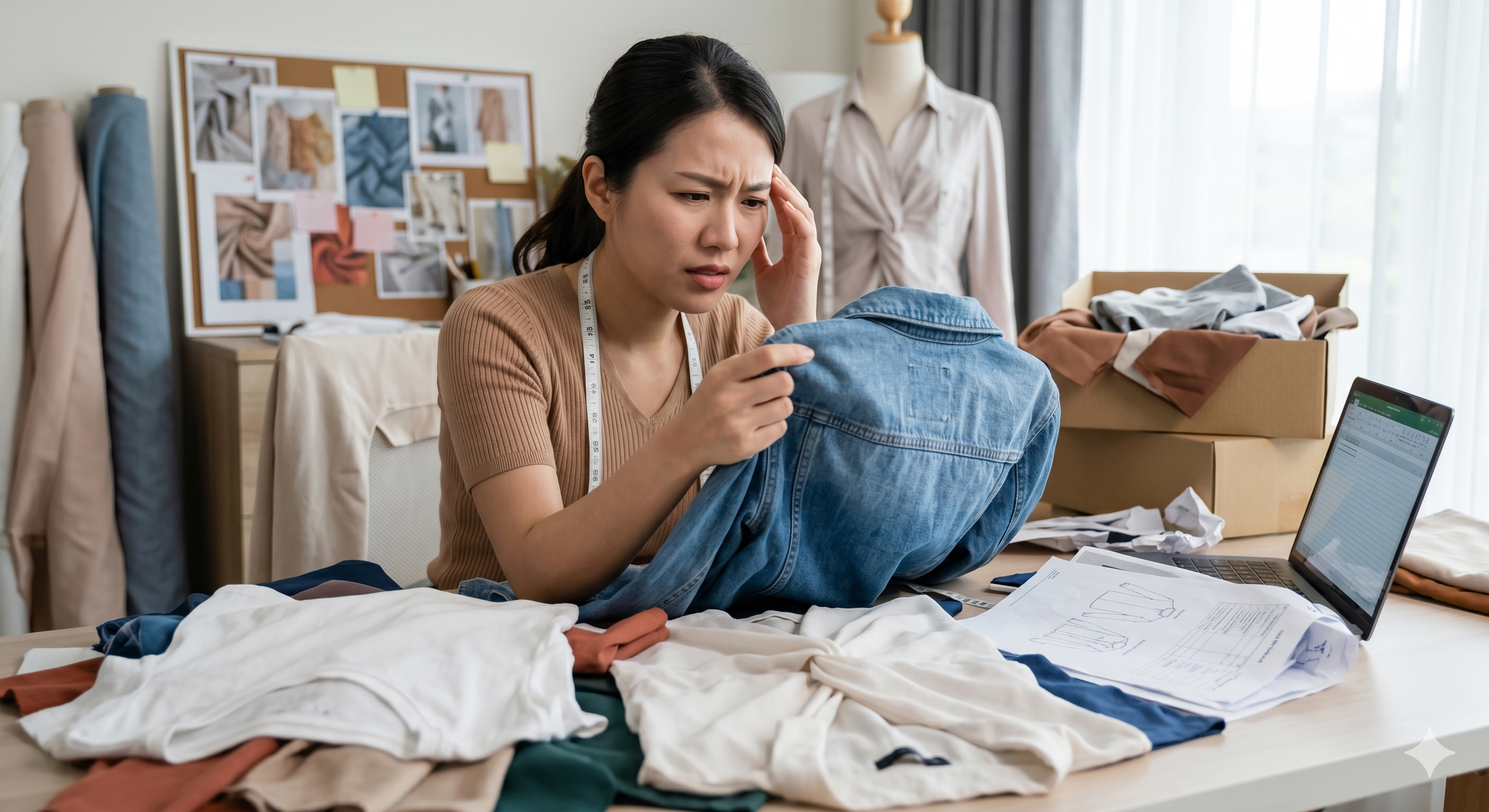
Sampling is often the first major expense founders underestimate. New designers often report repeating samples 3–5 times before landing on a production-ready version. That alone can turn a “$150 sample” into a $600–$1,000 cost per style
Here’s what you should actually expect:
Apparel samples: $100–$200 per peice outside USA, $300-1000 in USA
Bags & accessories: $200–$300 per piece
Custom molds (footwear, hardware, injection parts): $1,000–$2,000 each
Strike-offs / knit-downs: $100–$150
Sample shipping: $50–$70 per round (and you rarely have just one)
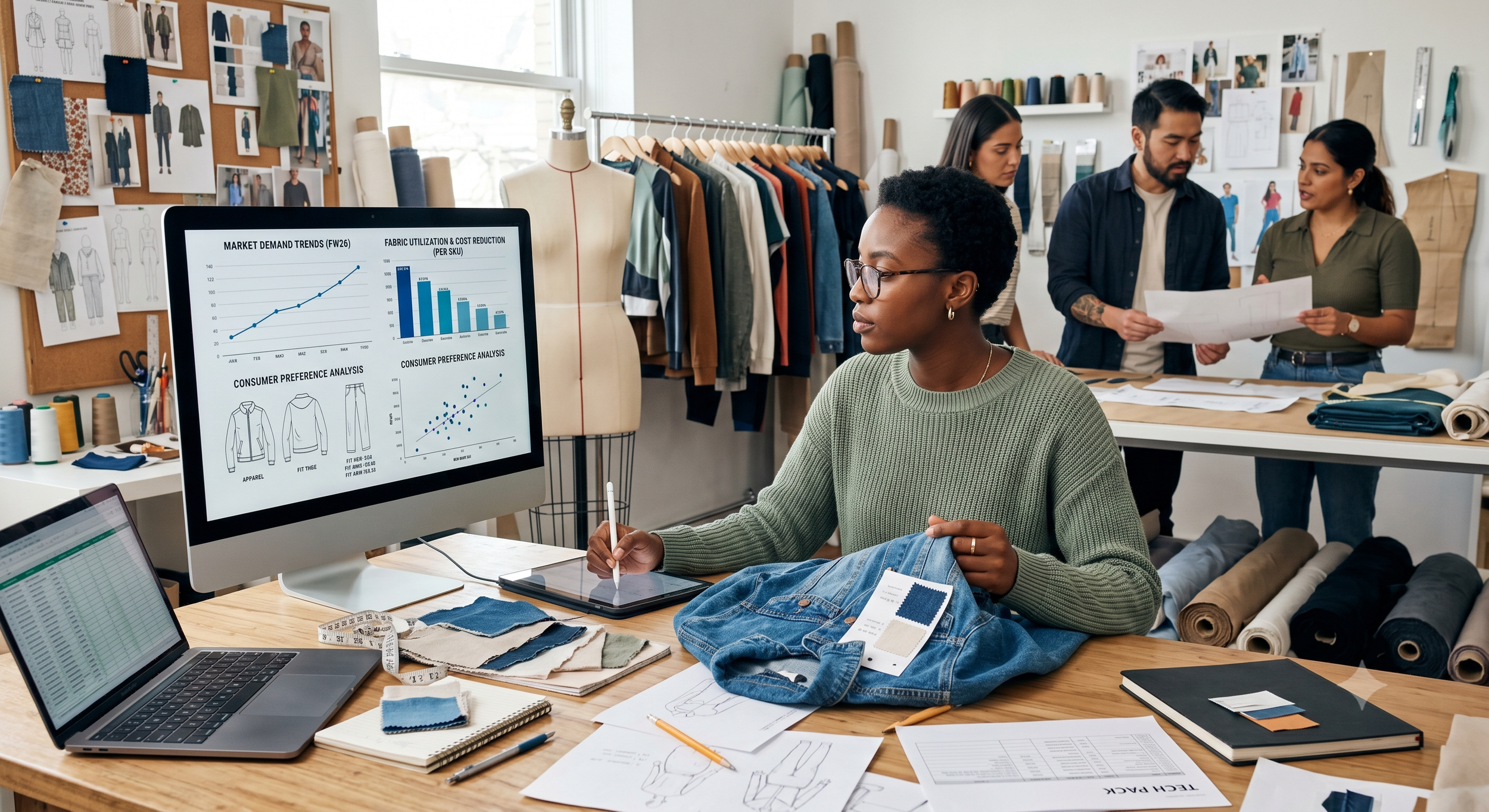
2. Design & Technical Development
Before production begins, you’ll need design assets and technical files to avoid costly rework.
Typical cost range: $100–$2,000 per project, which may include:
Research & concept development
Product or fashion design
Graphic/print design
Packaging, labels & brand assets
Tech packs
Pattern making
Revisions and grading
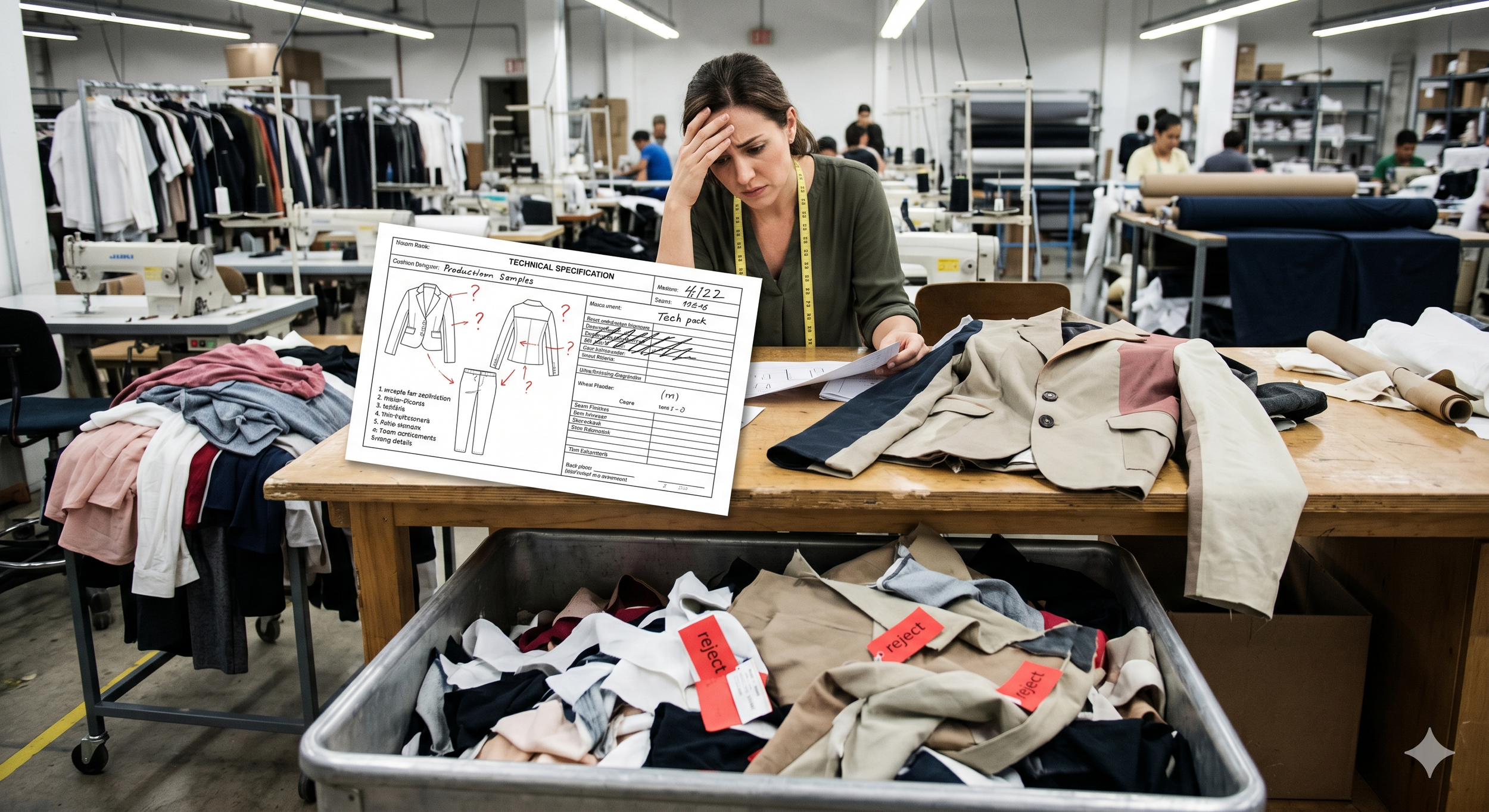
Many founders try to skip tech packs to “save money.” In practice, skipping tech packs increases your sample rounds and causes manufacturing errors, costing far more in the long term.
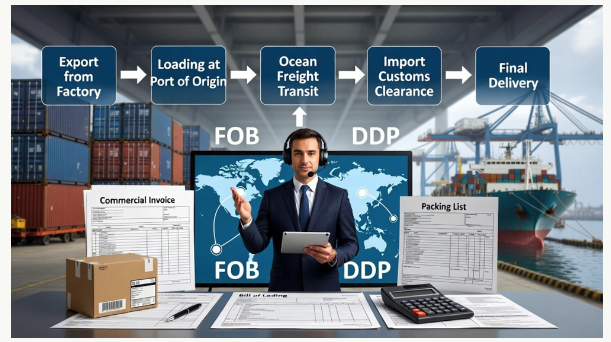
3. Freight, Tariffs & Landed Costs
Your actual cost to acquire finished goods is far higher than your production cost. Budget for:
Freight: +10–30% of factory cost
Customs duties: 10–45%, depending on HS code
Tariffs: 10–35% depending on origin
Warehouse receiving fees
Insurance
Local ground transport
Don’t assume shipping is a few hundred dollars. In reality, a single season’s worth of cartons can easily cost $1,000–$4,000+ to transport, depending on volume and urgency.
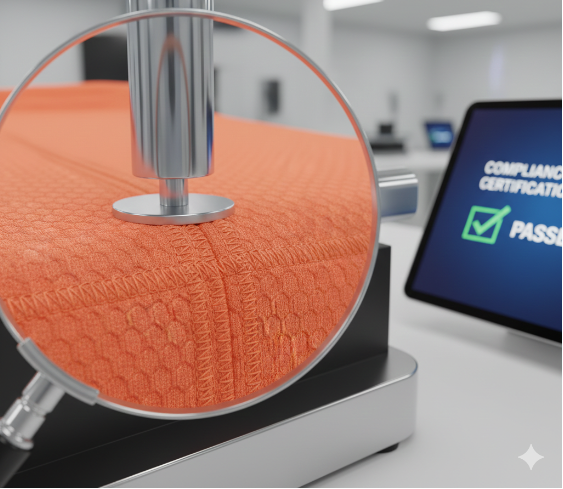
4. Inspections & Quality Control
Inspections affect your margins, but skipping them can destroy your brand.
Cost: $300–$500 per day
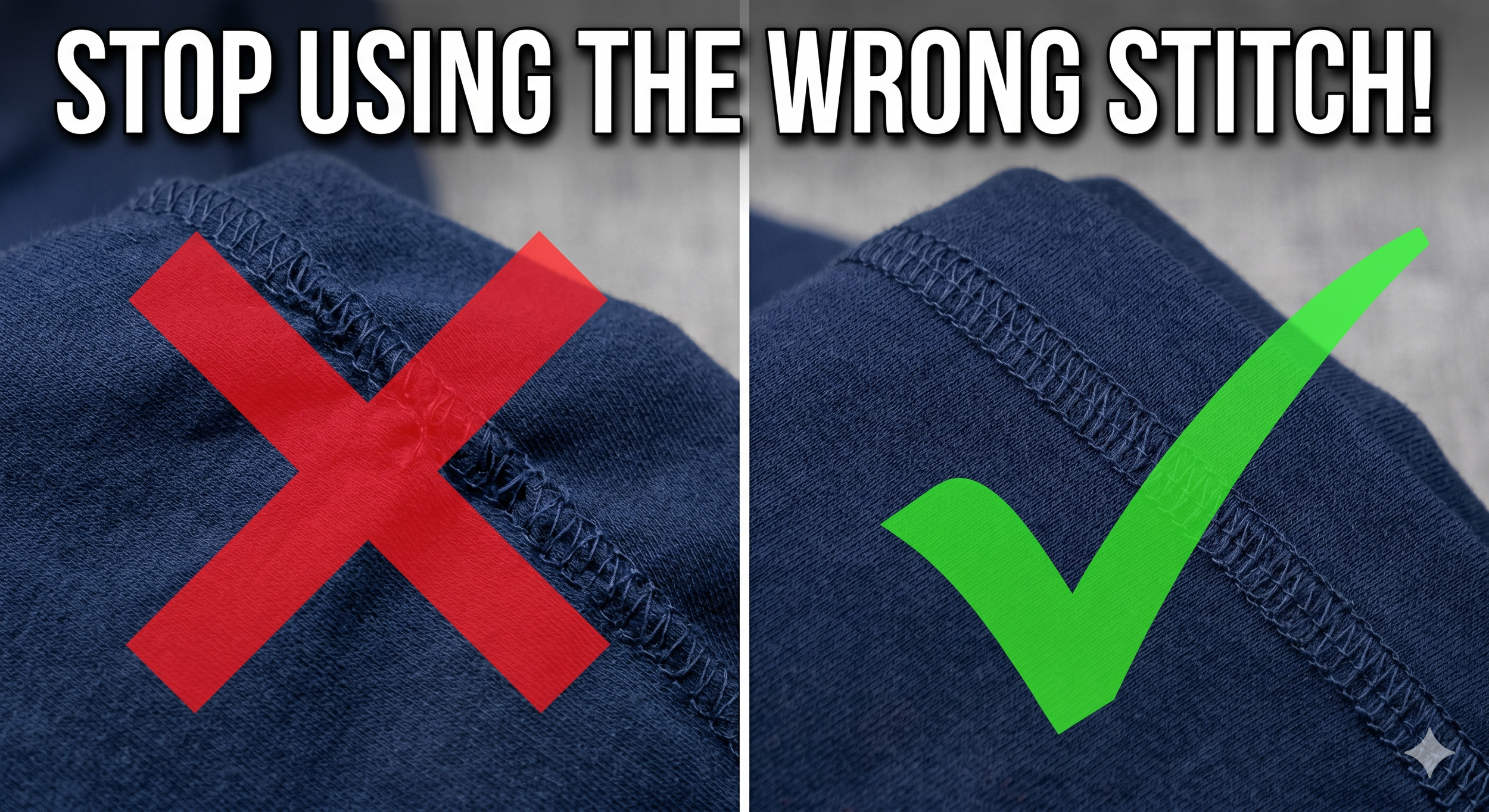
Risk of skipping: Incorrect sizing, poor stitching, fabric shade variations, mislabeled hangtags, missing pieces
A single bad production run can wipe out an entire launch budget.
5. Product Photography & Marketing Content
High-quality visuals influence conversion more than almost any other pre-launch investment. Typical costs:
$50–$500 per SKU: depending on lays vs. on-model
Lifestyle shoots: higher-end ranges
Short-form video: often the most expensive per piece
Seasonal updates: content is an ongoing cost
Most founders spend months perfecting a product but forget that customers won’t buy what they can’t see clearly.
6. E-Commerce Setup & Digital Tools
Launching your online store has recurring operational costs many founders miss. Plan for:
Shopify subscription
Apps for reviews, translations, inventory, loyalty programs
Transaction fees: 2–3% per sale
Hosting
Domain renewal
Security plug-ins
Email marketing tools
CRM tools
Even a small brand often spends $100–$300 per month before launch day without any sales yet coming in.
The Cash Flow Timing Trap
This is the #1 reason fashion startups run out of money. Your cash is locked up for months before you sell anything.
Production Payment TimelineS
30–50% deposit before production begins
50–70% balance before goods ship
8–12 weeks of production lead time
+1–6 weeks of shipping
If selling wholesale, retailers often pay 30–60 days after delivery, meaning: You may spend cash in Month 1 and not get paid until Month 6.
Rule of thumb: Total projected monthly costs × 3 = your minimum cash cushion. This protects you when:
Timelines slip
Samples take longer
Fabric MOQs force larger orders
Shipping surges
A campaign underperforms
Ads get more expensive
How to Avoid These Cash Flow Mistakes
Build a full-scope budget: Production + operations + marketing
Add a 10–15% contingency fund
Start smaller: A capsule drop instead of a full line
Reduce SKUs by:
Using shared fabrics
Introducing variants instead of new styles
Avoiding complex components early on
Track cash flow weekly (Not monthly—and definitely not quarterly)
Need help budgeting your launch?
Your first big win is not going viral. It’s staying solvent long enough to launch your second collection. At Tech Packs Co, we’ve helped hundreds of founders avoid costly mistakes and build smarter production plans.
Book a call today—and start your first collection with clarity and confidence.



Author Bio
Tech Packs Co founder Belinda is a technical fashion designer from London, now based in Los Angeles. Belinda had her first job in fashion at the age of 15, fixing swatch cards together. Since then, Belinda has been designing & creating tech packs for more than a decade... for household name brands and independent designers alike.