
Avoid These Pitfalls When Scaling Your Fashion Brand
Time to read: 5.5 minutes

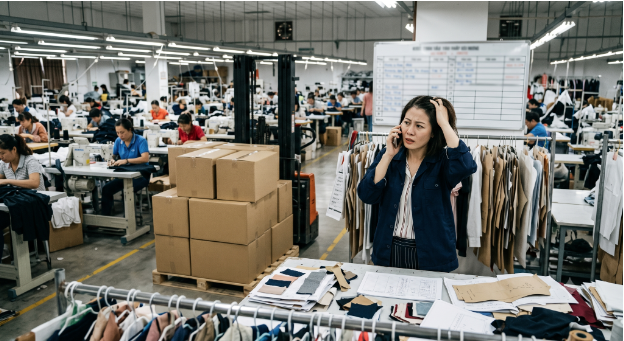
Behind every “overnight success” fashion brand is a long list of mistakes that didn’t make it onto Instagram. Most founders don’t fail because of a lack of creativity; they fail because of preventable execution errors that quietly drain time, cash, and momentum.
The good news? Many of the most common pitfalls are well-documented, repeatable, and avoidable if you know what to watch for early.
Here are the real-world pitfalls we see most often and how to avoid them.
1. Skipping the Technical Foundation
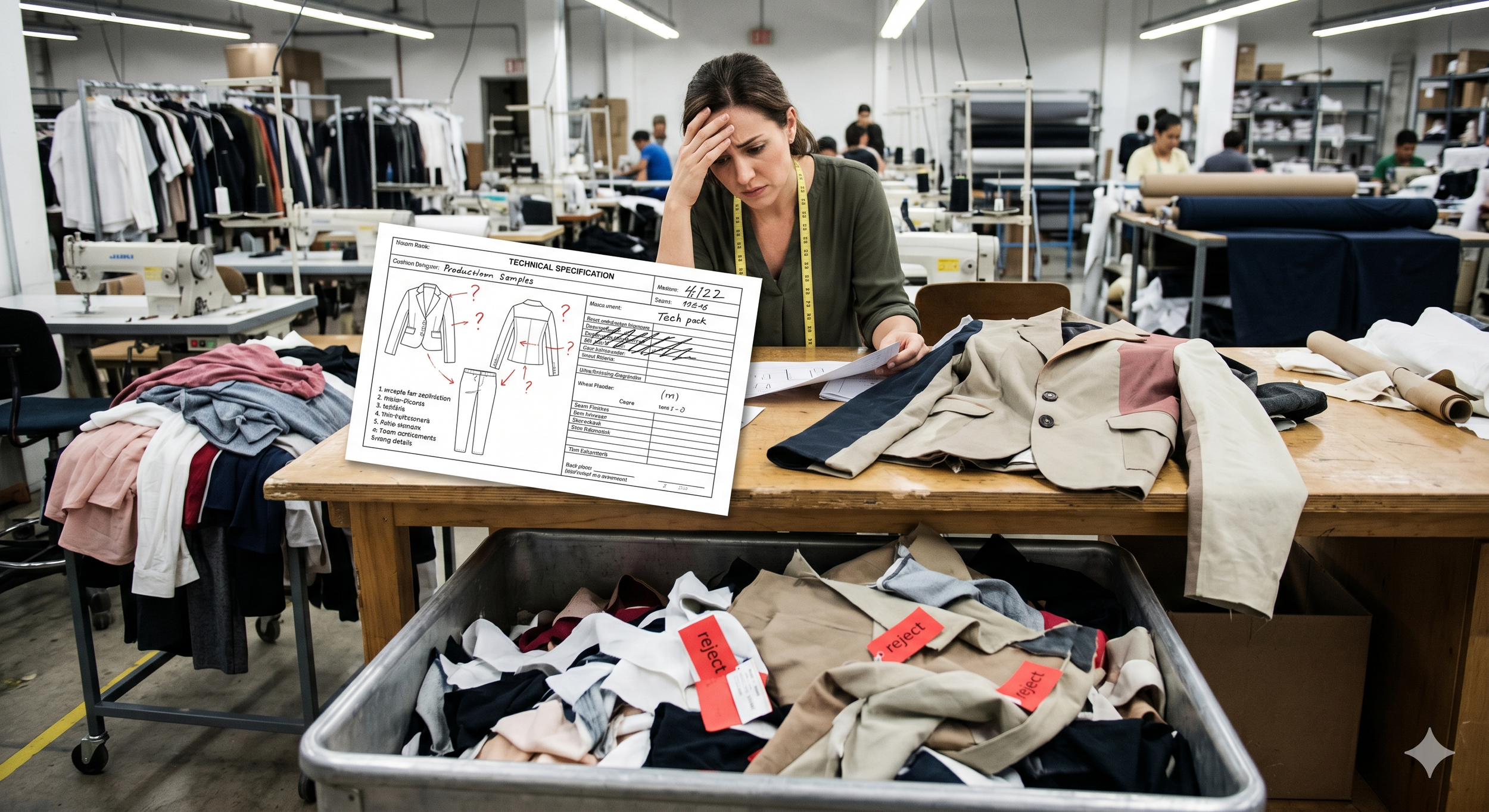
One of the most costly mistakes founders make is moving into sampling or production without proper technical documentation.
Relying on sketches, mood boards, or verbal instructions leads to
Multiple sample rounds
Misinterpreted designs
Inconsistent sizing
Unexpected cost increases
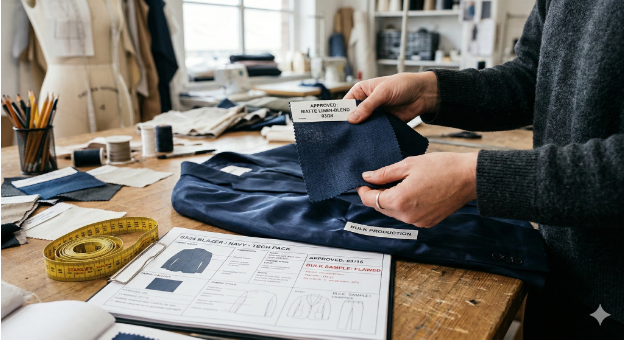
What to do instead: Treat your tech pack as a business tool, not an afterthought. Clear measurements, construction details, tolerances, and BOMs reduce errors and protect your margins. Strong tech packs don’t slow you down; they speed everything up.
2. Choosing Factories Based on Price Alone
Low MOQs and cheap pricing can be tempting, especially early on. But selecting a factory without considering capability, communication style, or category expertise often leads to:
Quality issues
Missed deadlines
Poor fit consistency
Strained relationships
What to do instead: Match the factory to the product. A great knitwear factory may struggle with tailored wovens. Ask what they specialize in, request relevant samples, and evaluate responsiveness, not just cost.
3. Underestimating Fit (and Its Impact on Returns)
Fit issues are one of the biggest drivers of returns, negative reviews, and stalled growth, yet many founders treat fit as something to “fix later.”
In reality, poor fit:
Erodes customer trust
Increases returns and exchanges
Raises customer acquisition costs
Limits repeat purchases
What to do instead: Invest early in a clear sizing system, consistent grading rules, and structured fit feedback. Fit isn’t just a design issue; it’s a retention strategy.
4. Confusing Sustainability With Marketing Claims
“Sustainable” isn’t a label you add at the end; it's a system you build into sourcing, costing, and production decisions.
Common mistakes include:
Choosing eco materials without understanding cost impact
Pricing products too low to sustain responsible inputs
Making claims that suppliers can’t actually support
What to do instead: Build sustainability into your cost model from day one. Choose materials and processes your customer will pay for, and ensure your documentation and suppliers align with your claims.
5. Over-Designing Instead of Designing Strategically
More details don’t always mean more value. Over-engineering garments can:
Inflate production costs
Increase defect rates
Complicate scaling
What to do instead: Focus on one or two signature design elements that reinforce your brand identity, whether that’s fit, fabric choice, construction, or functionality. Differentiation comes from intention, not excess.
6. Treating AI and Tools as Replacements, Not Support
AI, PLMs, and sourcing platforms can be powerful but only when the fundamentals are in place. Without clear tech packs and structured data, tools simply automate confusion.
What to do instead: Use AI and digital tools to support strong product development, not replace it. When your tech packs are production-ready, tools can help track orders, monitor capacity, flag risks, and streamline communication.
7. Waiting Too Long to Systemize
Many founders stay in “scrappy mode” longer than necessary, handling everything manually. This works until it doesn’t.
Signs you’ve waited too long:
Repeating the same mistakes each season
Losing track of versions and changes
Inconsistent costing and timelines
What to do instead: Document processes early. Build repeatable systems for design, sampling, costing, and production even if your team is small. Scale comes from clarity, not chaos.
Final Takeaway: Avoidable Mistakes Are Still Expensive
Most fashion brand failures aren’t dramatic; they're slow leaks caused by unclear documentation, rushed decisions, and weak foundations.
The brands that scale successfully don’t do everything differently; they do the basics exceptionally well:
Clear tech packs
Strategic design choices
Realistic costing
Strong planning
At Tech Packs Co., we help founders avoid these pitfalls by turning creative ideas into clear, production-ready systems so growth feels intentional, not reactive, which ultimately leads to more predictable costs and timelines in the production process.
If you’re building a brand and want fewer surprises in production, it starts with getting the foundations right. Book a call today.






Author Bio
Tech Packs Co founder Belinda is a technical fashion designer from London, now based in Los Angeles. Belinda had her first job in fashion at the age of 15, fixing swatch cards together. Since then, Belinda has been designing & creating tech packs for more than a decade... for household name brands and independent designers alike.